
How I Cleaned Up My Strawberry Bed for Spring
It is about that time again: time to clean up the strawberry bed.
Last year, I only managed to get strawberries into one raised bed, along with a lonely tomato plant that did not survive the Texas sun. Sun scald set in before August even arrived. I eventually put up a shade cloth, but by then it was too late. The strawberries, fortunately, mostly thrived.
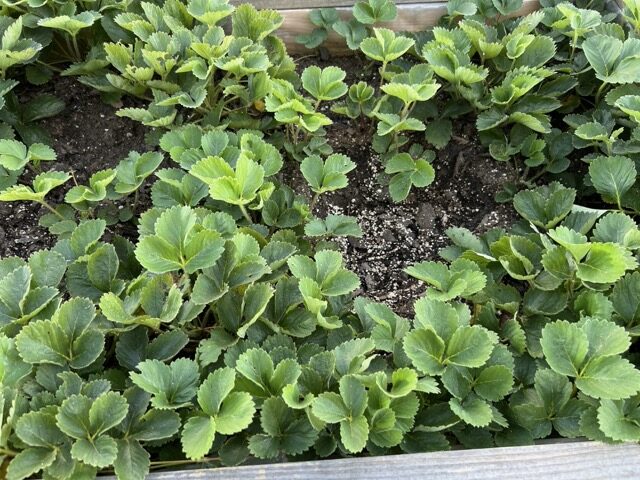
When winter rolled in, I took the lazy route and skipped end-of-season cleanup. I left dead runners and old foliage in place, figuring I would deal with it later. That decision left me with an early spring job: clean up the strawberry bed before the growing season kicked into full gear.
Seasonal Tasks
Every season brings its own gardening jobs. You may need to loosen soil, top off beds, add compost, adjust pH, or work in other amendments depending on what you are growing and what your soil needs.
One task that is easy to overlook is cleaning dead plant matter out of established beds. It may not seem urgent but letting that material sit too long can create problems as temperatures rise and moisture lingers.
That was exactly the case in my strawberry patch. A storm had rolled through here north of Dallas, and I still had not made time to clean out the undergrowth. By the time I finally got into the bed this week, the dead leaves from last season were still damp.
That is not a great sign.
Anyone who has dealt with trapped moisture knows how destructive it can be. Water is essential, of course, but only in the right amount and for the right amount of time. When dead material stays wet underneath actively growing plants, it creates the perfect conditions for mold, fungus, and other problems you do not want in your beds.
Problems With a Cluttered Bed
Plants need airflow just as much as they need water, sunlight, and nutrients. When a bed gets too crowded or too cluttered, moisture takes longer to evaporate, airflow drops, and the risk of disease increases.
Sometimes clutter comes from planting too densely. Seed packets usually recommend spacing for traditional row gardening, so there is often some flexibility there, especially if you are intercropping. Still, if plants are packed too tightly, they compete for water and nutrients, and they can also trap moisture around the crown and soil surface.
Perennials create a slightly different problem. One of the best things about perennial plants is that, once established, they can produce with relatively little effort. The downside is that they carry the previous season with them. Old leaves die back. Runners pile up. Stems and debris collect around the base of the plant. If you do not clear that material out, you create a damp, crowded environment right where new growth is trying to take off.
In nature, plants manage this on their own. In a garden bed, especially a raised bed or another managed growing space, conditions are different. These are controlled environments, and that means a little intervention goes a long way.
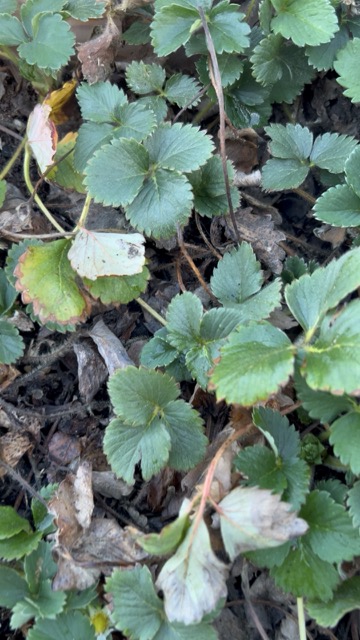
In my strawberry bed, every runner had dead leaves tucked underneath it. The original plants were the worst offenders, but even the newer runners had built up plenty of old foliage that needed to go.
Timing Matters
I let the bed sit over winter, which was mostly harmless while the plants were dormant. Once temperatures started to rise, though, it became a more urgent issue.
Think about a compost pile. It is built from dead brown matter, fresh green matter, moisture, heat, and time. Now think about a perennial bed with a layer of wet, decaying leaves tucked under living plants. That is obviously not the same thing as a compost pile, but it points to the problem: you do not want decomposition happening right against the crown of your plant in a wet, poorly ventilated space.
That was enough motivation for me to step away from my seed-starting setup for half an hour and finally clean up the bed.
Spring Cleaning
The cleanup itself was simple.
For the most part, I just gently pulled dead leaves from underneath each plant and runner. In the thicker spots, pruning shears would have made the job easier, and I would recommend using them if you are dealing with tougher stems or a more overgrown bed. Still, most of what I needed to remove came free with a careful tug.
Once the dead material was out, the bed already looked better. It was also a good opportunity to lightly fluff the top layer of soil and think about any amendments that might need to be added.
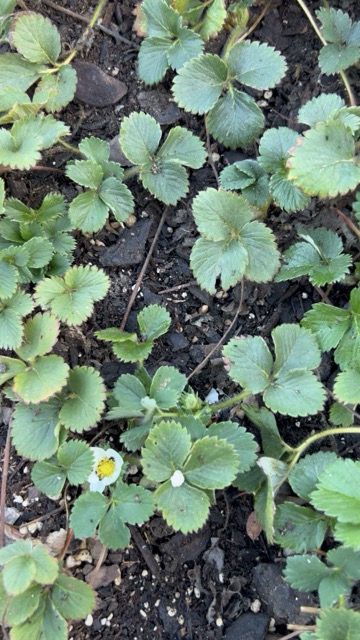
My timing last year was not ideal. I rushed to plant into a newly built bed before the soil had fully settled, and I can still see the effects of that decision now. The bed surface is uneven, with little hills and valleys throughout.
What made that even more unfortunate is that I later learned everbearing strawberries generally do not produce heavily in their first year. Years two and three are when they really start to pay off. Had I known that earlier, I would have been more patient with the bed prep. I also would have followed the usual advice more closely and pinched off the first flowers and runners to encourage stronger root development.
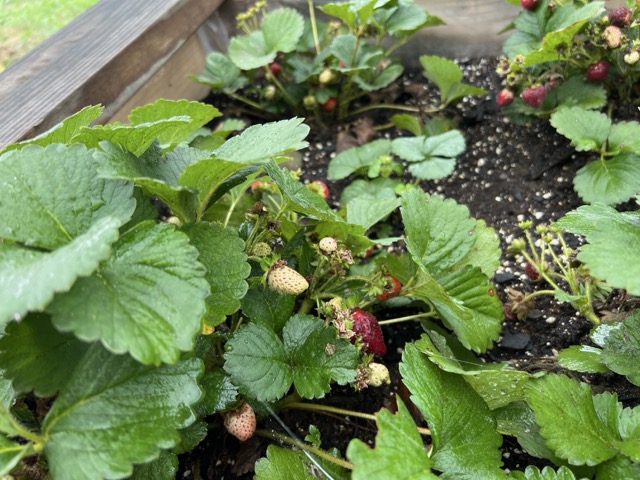
I did at least get to taste a few tiny strawberries last year, and even those were better than store-bought. Not because I have magical soil, but because the freshness is hard to beat.
Outlook
Now that the dead growth is gone, I think the plants are in much better shape heading into the season. They have more room to breathe, the soil can dry more evenly, and the whole bed feels less like something I was avoiding and more like something ready to grow.
It was also a nice excuse to spend some time outside. Stepping away from a screen and doing something physical, even something as small as bed cleanup, is usually time well spent, even if my back does not always agree.
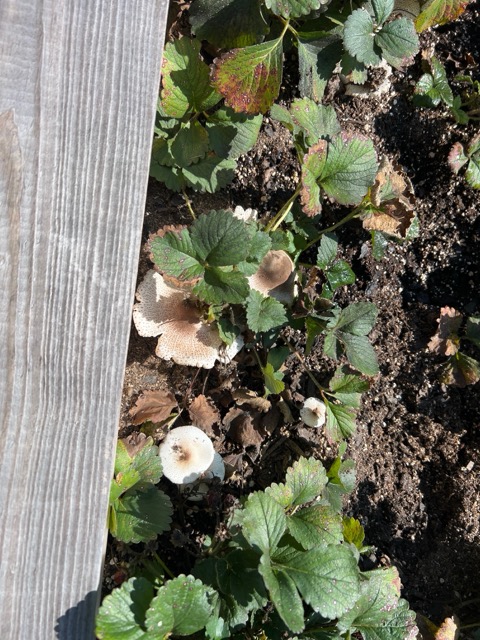
One final note, since this post has focused so much on excess moisture: mushrooms in a garden bed are not always a bad sign. In many cases, they indicate that your soil is biologically active and supporting life. Usually, the mushrooms themselves are not harming your plants.
That said, mushrooms can also be a sign that a bed is staying wetter than it should, so they are worth paying attention to. If you are seeing mushroom growth along with soggy soil or struggling plants, poor drainage may be part of the issue.
Final Thoughts
Spring cleanup is not glamorous, but it matters.
A little time spent clearing out dead growth now can make a big difference as the season gets going. If you have perennial beds that have been sitting all winter, it is probably worth taking half an hour to clean them up before warm weather and spring rains do the job for you in a way you will not like.
Here is to a fresh start for the season. May your beds breathe well, drain well, and reward you with healthy plants and a good harvest.